Every solvent, buffer and reagent that enters the plant by tanker or drum carries particulate, and every storage tank that breathes draws in airborne contamination. From the 5 µm intake filter to the sterile tank vent, the 0.5 µm pre-filter and the final 0.2 µm membrane — each stage is a barrier before the chemical reaches your process. We supply the filters that hold every one of them.
Drum-borne particulate · airborne bioburden · failed integrity test · a quarantined solvent batch.
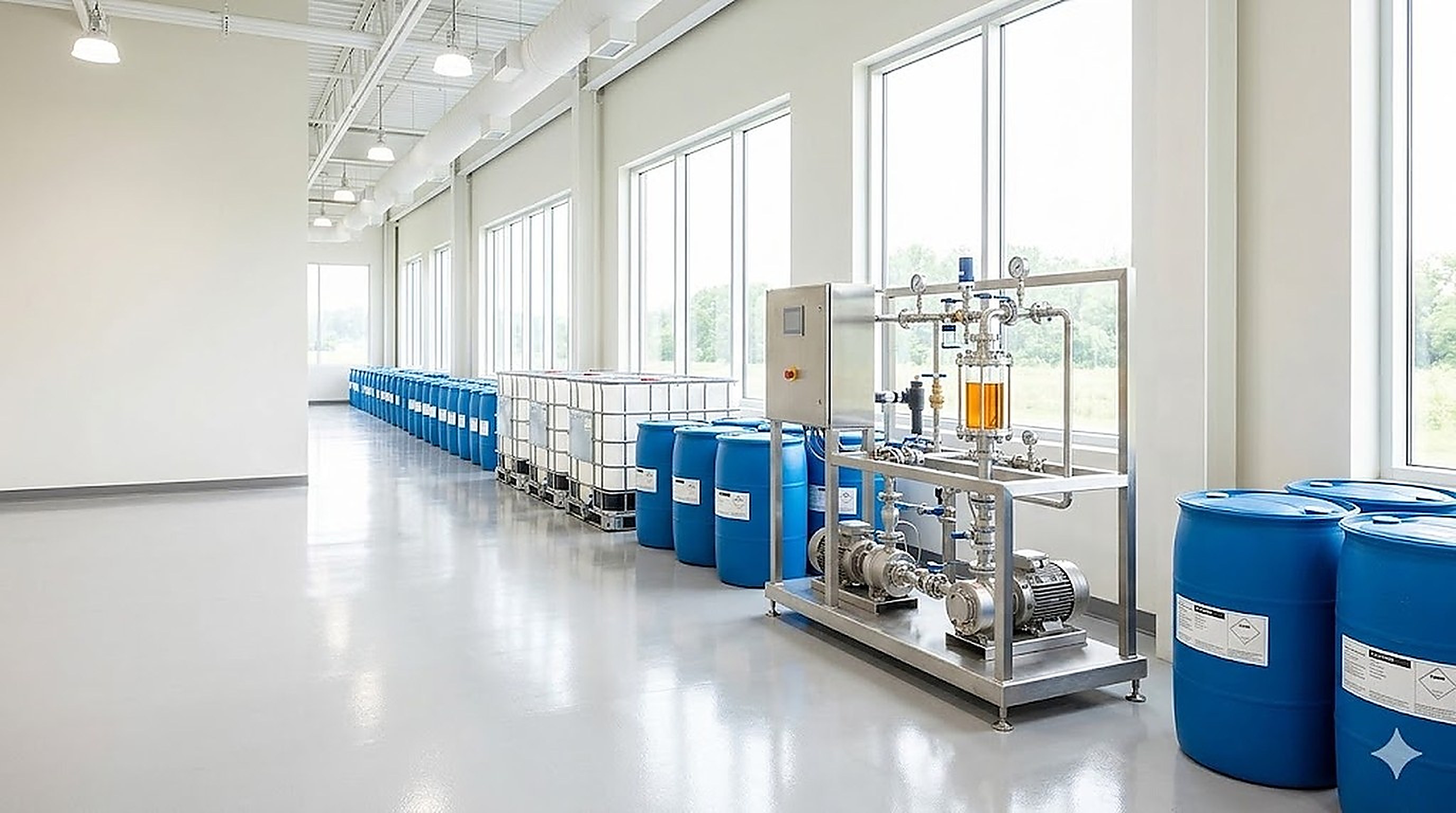
Pharmaceutical chemicals and solvents arrive ready to use — and that is exactly the risk. A tanker or drum of solvent, buffer or reagent carries rust, fibre and crystalline particulate picked up in transport and handling. Once it is in the storage tank, every fill and draw makes the tank breathe, and every unfiltered breath pulls airborne micro-organisms into the chemical. By the time it feeds the process, it has to be both particle-free and sterile.
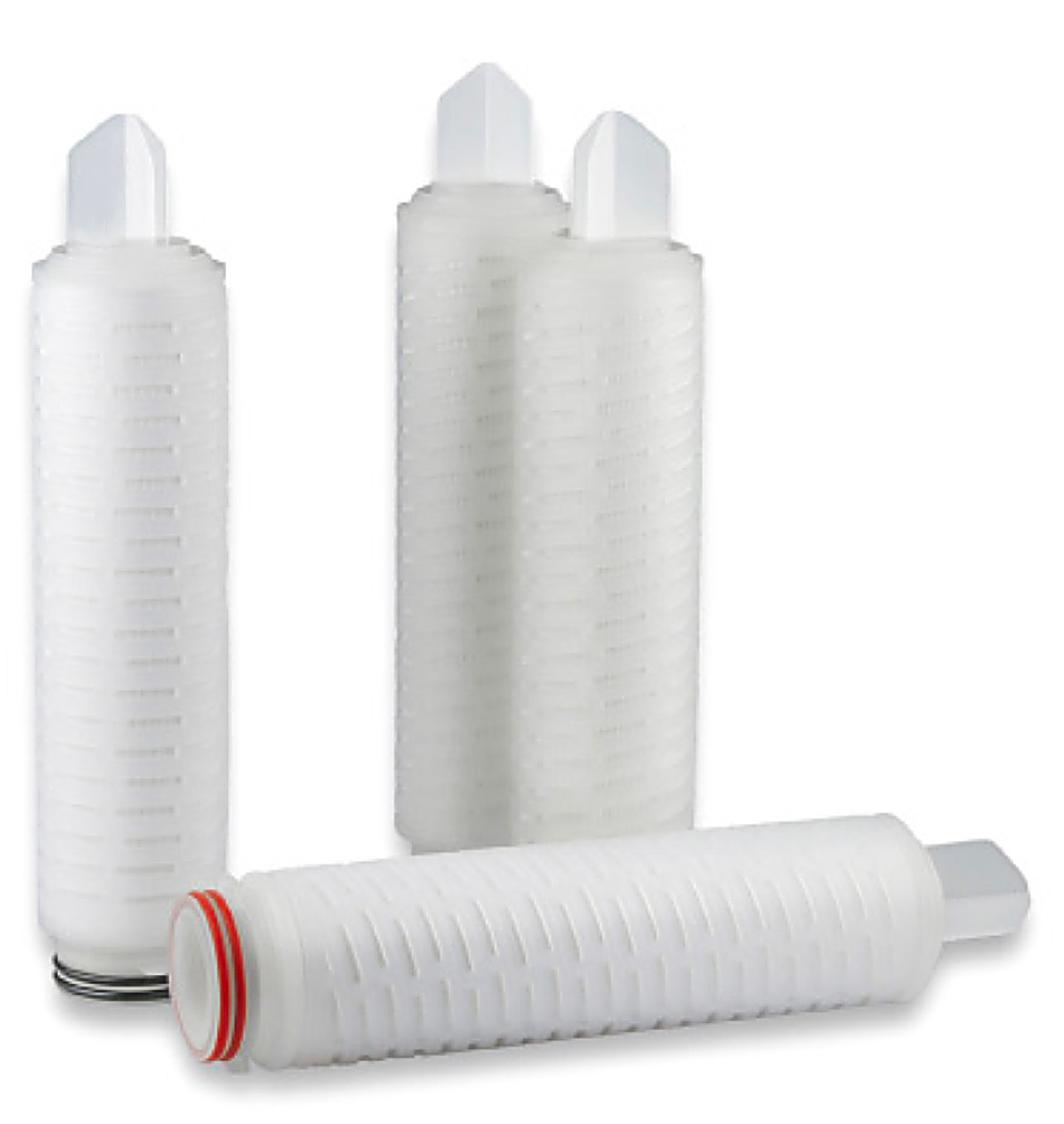
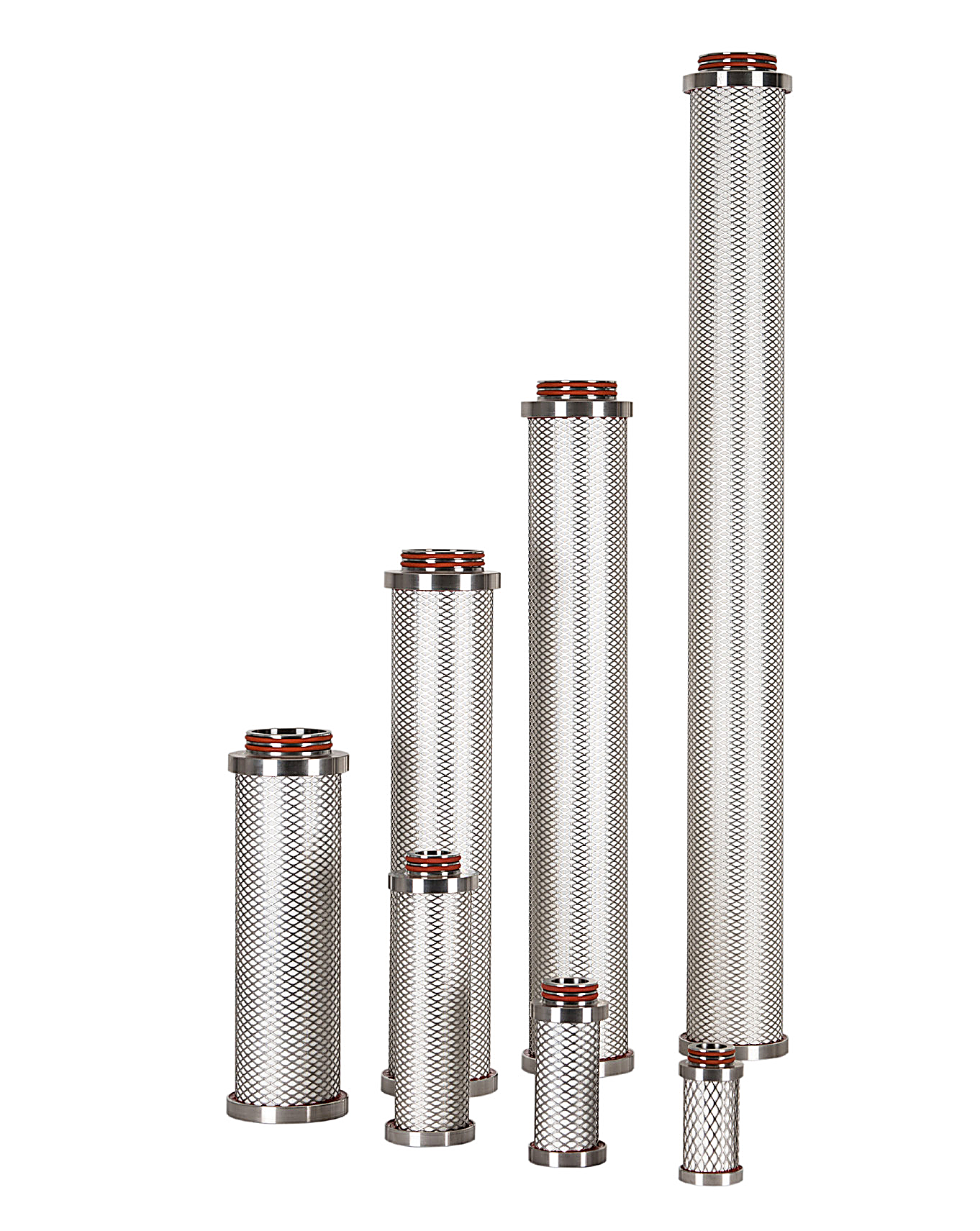
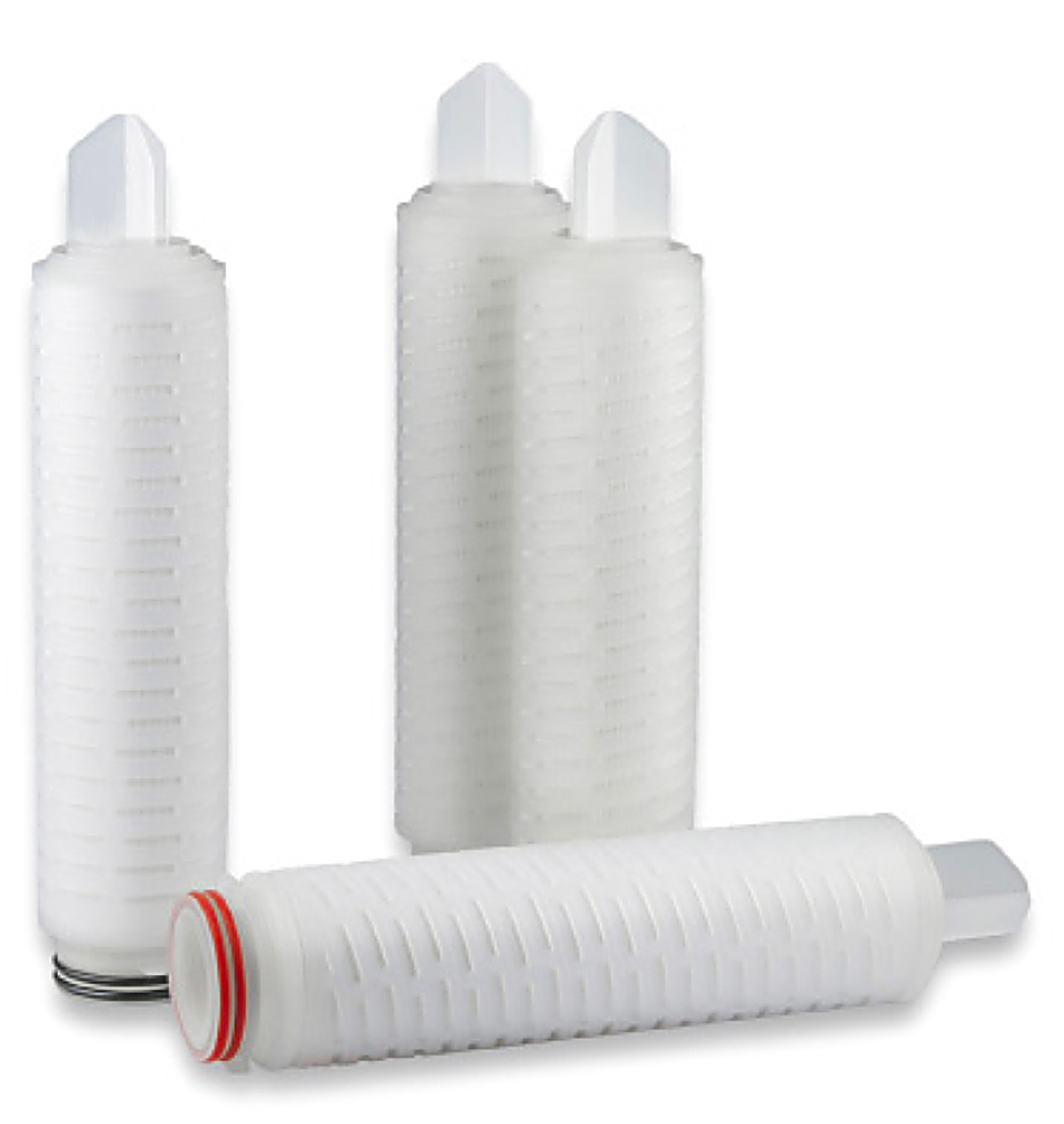
Ultrafilter has supplied API filtration to chemical and solvent handling systems for decades — PF-PP depth filters that take the coarse particulate off incoming raw materials and pre-filter ahead of the membrane; PF-PT ePTFE (or P-BE vent filter element) sterile vents that keep each storage-tank breathing cycle sterile; and a 0.2 µm sterilising-grade membrane for the final polish before the process — PF-PES for aqueous chemicals, PF-PVDF for solvent duty, subject to a chemical-compatibility review. Because solvents and aggressive chemicals attack the wrong materials, the filter media, seals and housing are selected by chemical compatibility — consult Ultrafilter with the chemical, concentration and temperature, and we specify the materials of construction for your duty. Each element ships with its datasheet, FDA 21 CFR materials conformity and a validation guide; USP <88> Class VI for the PF-PES, PF-PT and PF-PVDF membrane elements.
Every filtration duty in your plant is covered by one of these product families. Elements ship with datasheet, FDA 21 CFR materials conformity and a validation guide — and are specified to your chemical compatibility.

Hydrophilic PVDF membrane, specified after a chemical-compatibility review — tested against a list of acids, bases, solvents and oils (ratings on page 4 of the datasheet). LRV ≥ 7 per ASTM F838; verify compatibility under actual process conditions before use.

PES 0.2 µm sterilising-grade membrane for the final polish on aqueous chemicals and buffers. LRV ≥ 7 per ASTM F838 (liquid challenge); materials meet USP <88> Class VI.

Polypropylene depth filters — 5 µm to take the coarse particulate off incoming raw materials, and 0.5 µm to pre-filter ahead of the final membrane and protect its life.

Hydrophobic ePTFE 0.2 µm sterile breather for the chemical storage tank — keeps every breathing cycle sterile, stays dry against solvent vapour, SIP-sterilisable and integrity-testable in place.

Wound borosilicate vent filter, 99.99998 % related to 0.2 µm, min. 100 sterilisation cycles — the alternative sterile breather for the chemical storage tank, fitted in P-BE vent housings.
Each element carries the documentation your QA and validation teams need — and is specified to the chemical compatibility of your duty before it ever contacts the product stream.
Send us the chemical, the concentration, the temperature and the flow rate — intake protection, sterile tank venting, the 0.5 µm pre-filter or the final 0.2 µm polish. We select the compatible media, seals and housing, help size the train and supply the documentation for each element.