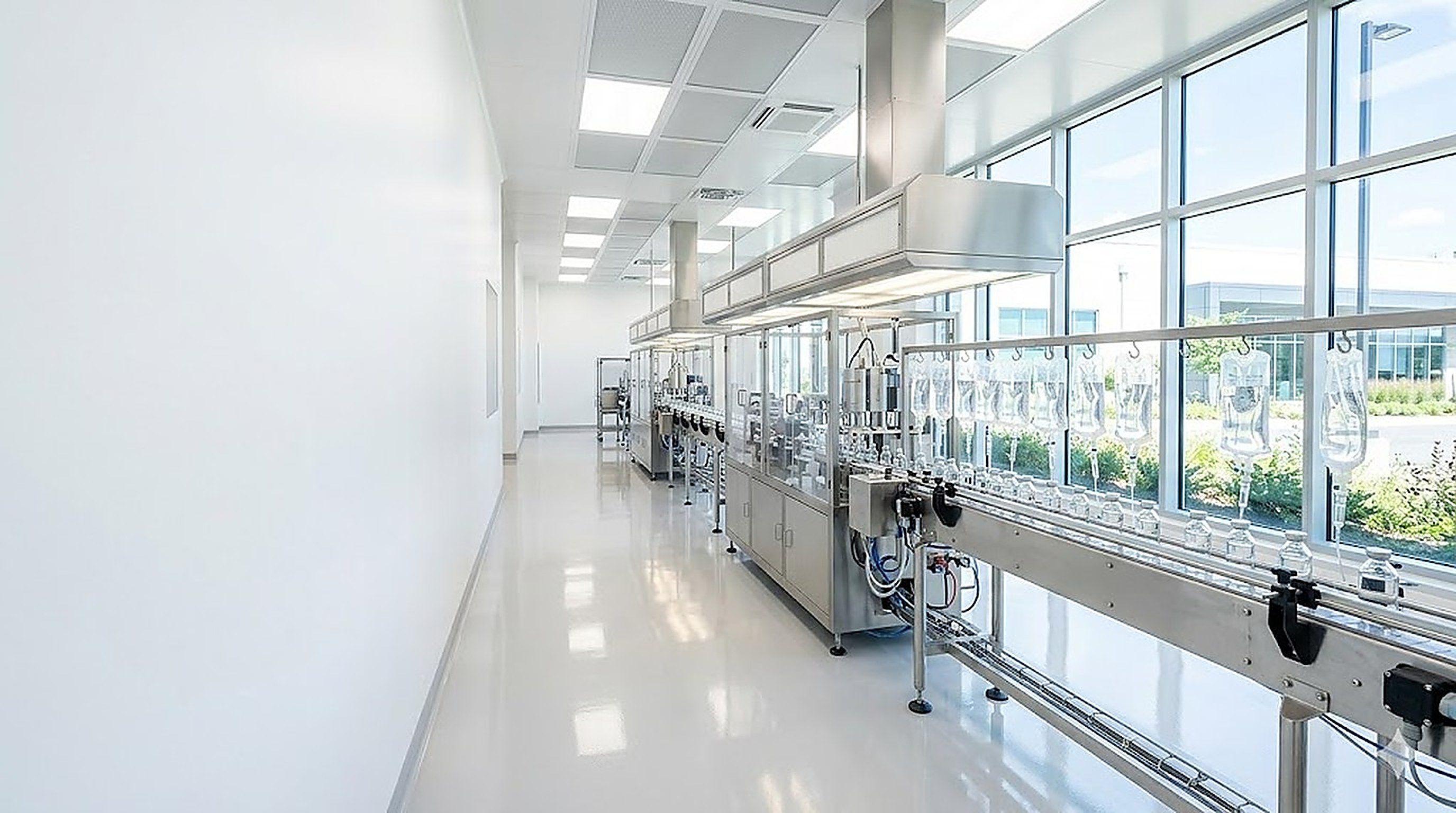
Large-volume IV solutions — dextrose, amino acids, salts, TPN — are batched tens of thousands of litres at a time, then terminally sterilised in the autoclave. The filtration train's job is bioburden reduction and sterile tank venting, so the solution reaches the container clean and terminal sterilisation finishes the work. We supply the filters that hold every stage.
Bioburden excursion · particulate · a quarantined batch of tens of thousands of litres.
Large-volume parenterals are terminally sterilised — the filled, sealed containers are heat-sterilised in the autoclave as the final step. That changes the filtration brief. The in-line membrane's job is bioburden reduction before terminal sterilisation — in 0.45 µm or 0.2 µm, chosen to fit the product's bioburden limit — holding the microbial and particulate load low so the sterilisation step has a defined, validated challenge to overcome.
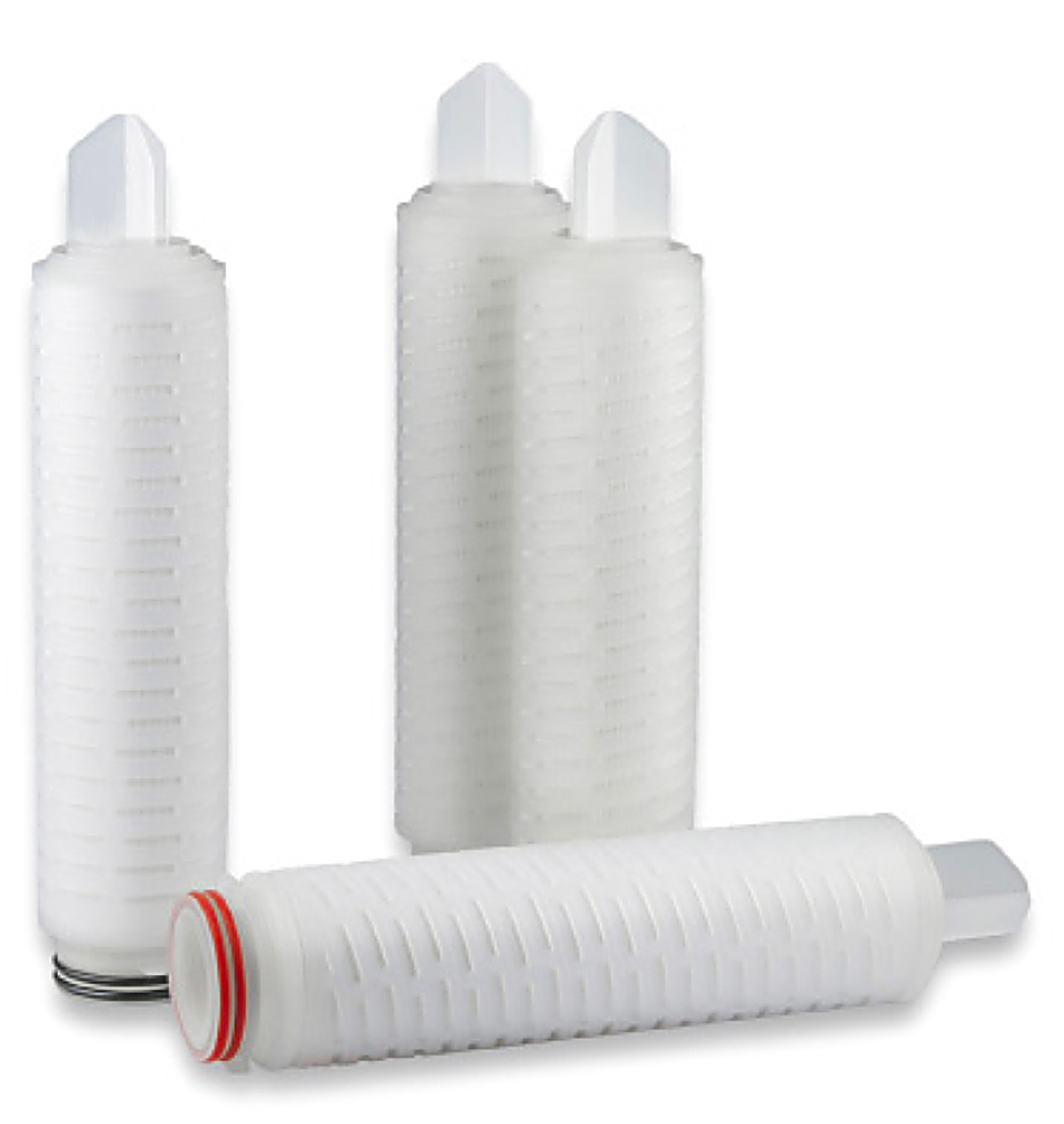
Ultrafilter has supplied filtration to parenteral fill lines for decades — PF-PP polypropylene depth pre-filters that protect the membrane from particulate; PF-PES bioburden-reduction membrane (0.45 µm or 0.2 µm; PF-PES grades 0.1–1.2 µm) on the line into the buffer vessel and again on the line to fill; PF-PT hydrophobic ePTFE (or P-BE vent filter element) sterile vents on the preparation and buffer vessels so every breathing cycle stays clean; and P-GS VE clean steam for SIP of the preparation vessels and filter housings. Each element ships with its datasheet, FDA 21 CFR 177–182 materials conformity and a validation guide; USP <88> Class VI for the PF-PES and PF-PT membrane elements.
Every filtration duty in your plant is covered by one of these product families. Elements ship with datasheet and FDA 21 CFR materials conformity; validation guides are available on request.

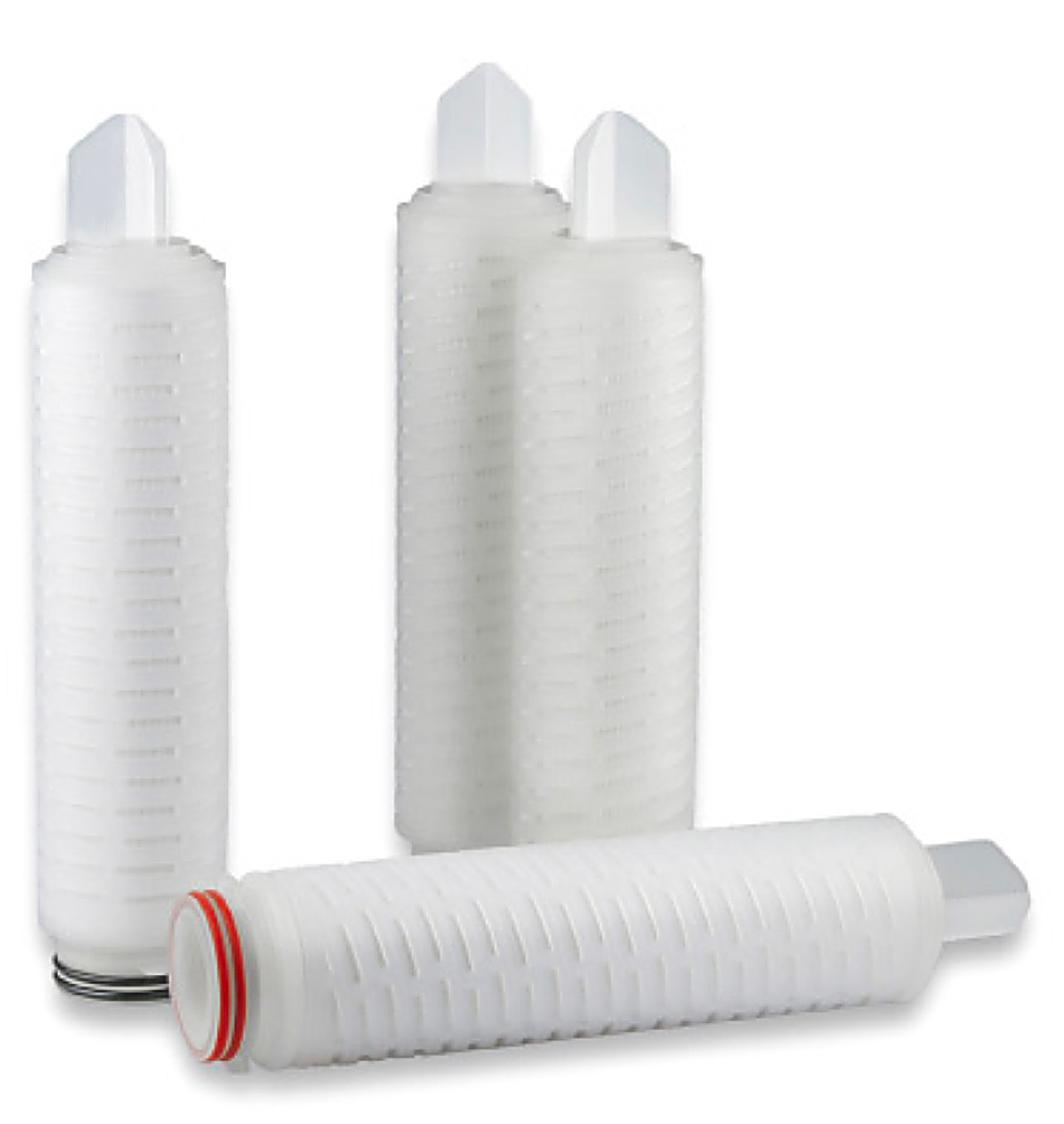
PES bioburden-reduction membrane (0.45 µm or 0.2 µm) on the line into the buffer vessel and again on the line to fill. Holds the microbial and particulate load low ahead of terminal sterilisation. Materials meet USP <88> Class VI.

Polypropylene depth pre-filter — a 1 µm grade on the preparation-vessel outlet that holds back batch particulate and protects the downstream 0.45 µm membrane, extending its service life.

Hydrophobic ePTFE 0.2 µm sterile breather on the preparation and buffer vessels so every fill-and-draw breathing cycle stays clean. Up to 100 forward steam cycles of 30 min at 135 °C, integrity-testable in place.

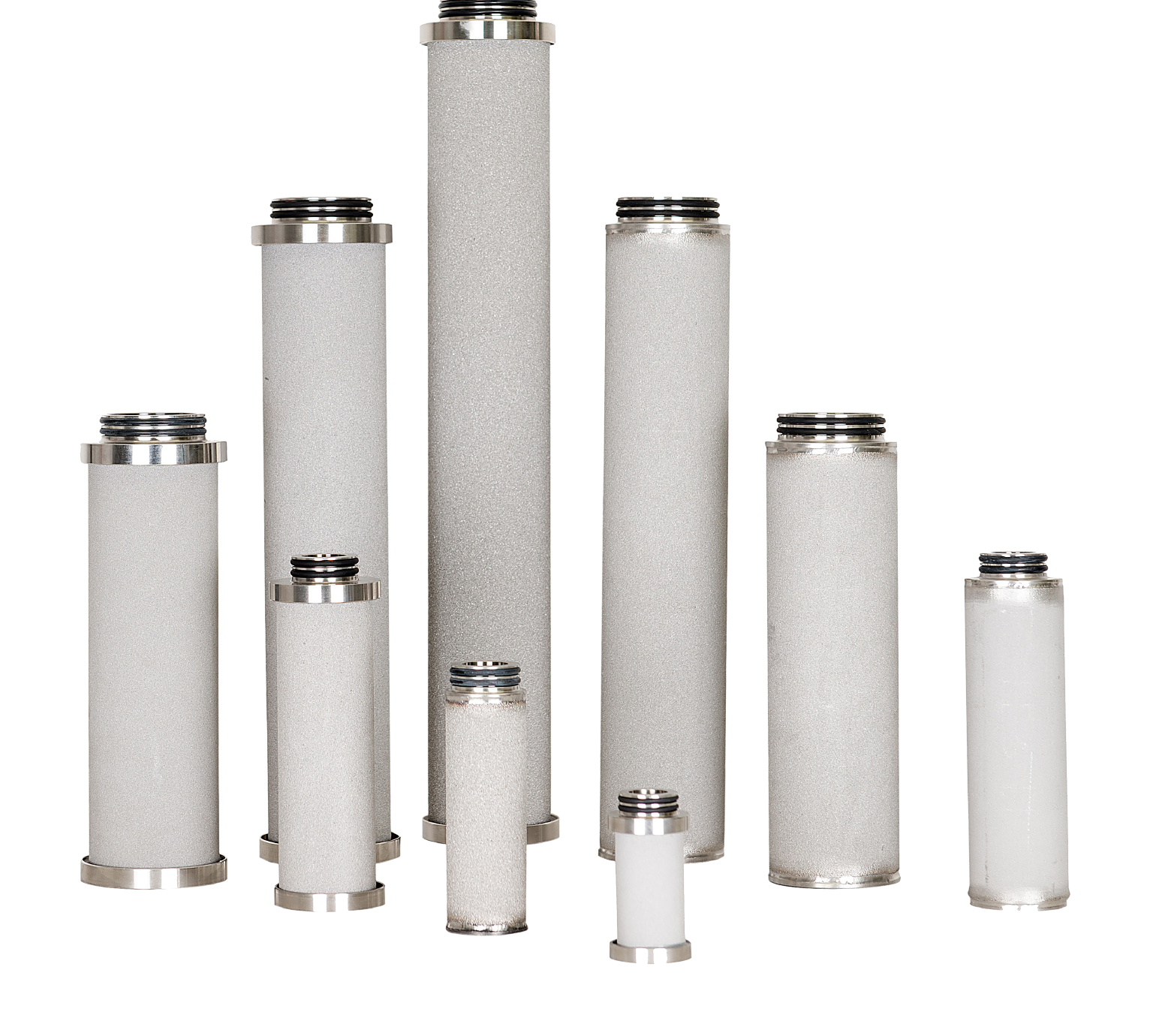
Wound borosilicate vent filter, 99.99998 % related to 0.2 µm, min. 100 sterilisation cycles — the alternative sterile vent for the preparation and buffer vessels, fitted in P-BE vent housings.

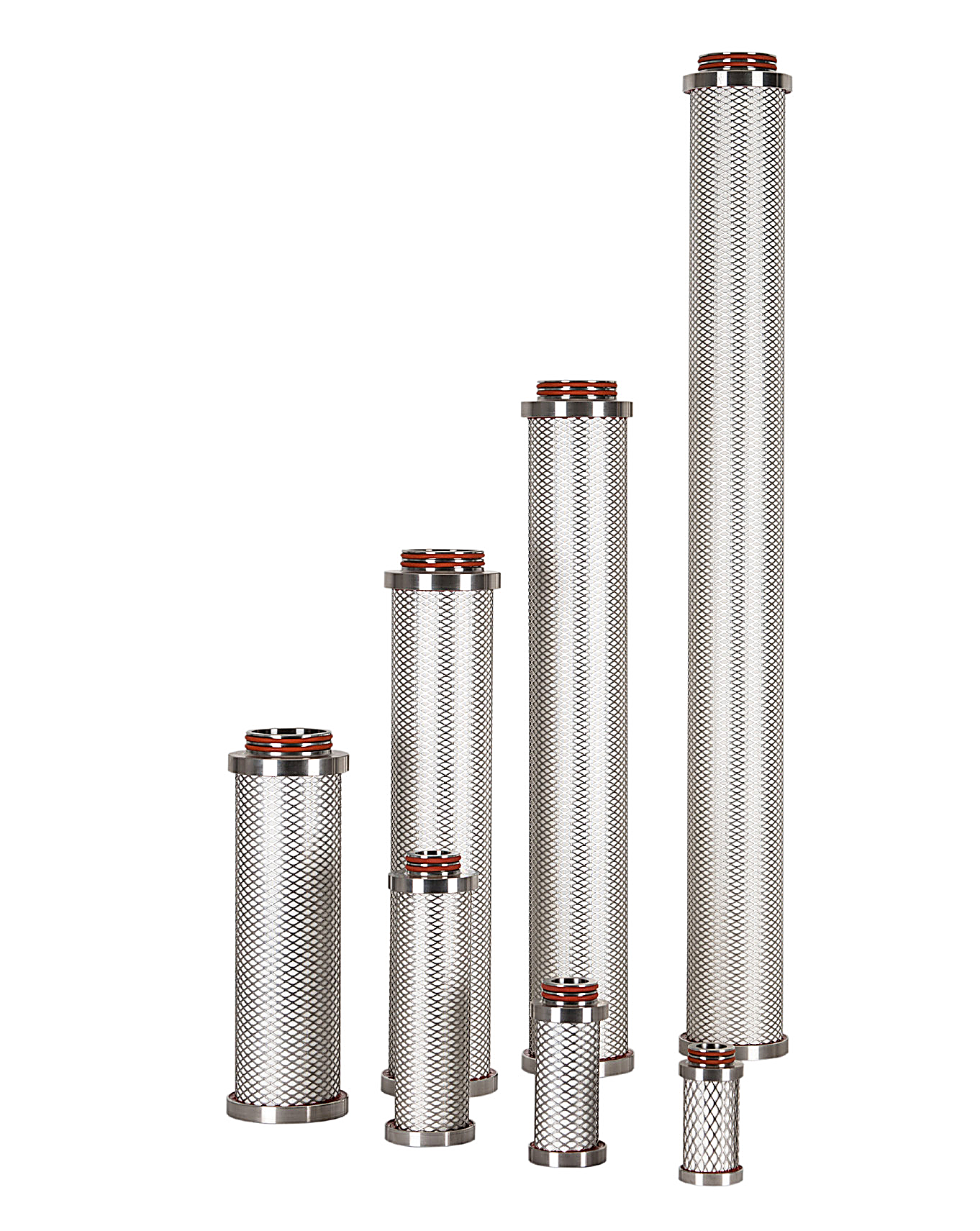
Clean steam for SIP of preparation vessels and filter housings — sintered 316L steam filter with welded end caps, 1 / 5 / 25 µm, retention efficiency 98 % for steam.
Each element carries the documentation your QA and validation teams need before it ever contacts a parenteral solution.
Send us a P&ID, a batch size, or just the duty — sterile vessel venting, polypropylene pre-filtration or the bioburden-reduction membranes ahead of your terminal sterilisation. We help size the train and supply the documentation for each element.